April 17, 2026
The idea of building a home tailored to your lifestyle is compelling. From layout decisions to material selections, the process offers a level of control that existing homes rarely provide. At the same time, it introduces variables that require careful evaluation.
For many homeowners, the question is not just whether building is possible, but whether it delivers long-term value. According to Eye on Housing, custom homes make up about 17–19% of new single-family homes in the U.S., showing a consistent demand for personalized housing projects. This steady share highlights that while custom construction is not the dominant path, it remains a meaningful segment of the housing market.
Understanding What Building a Custom Home Involves
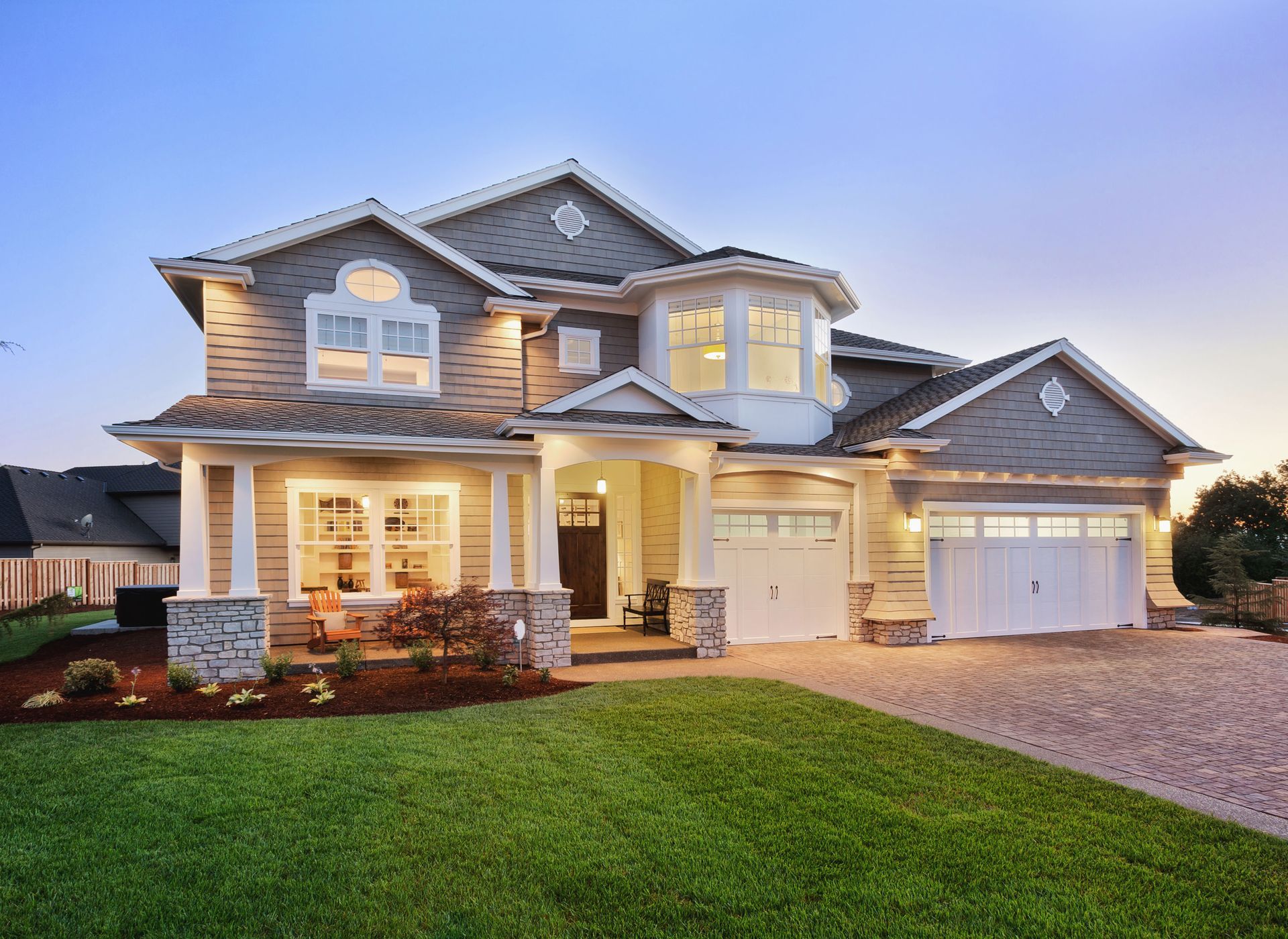
Building a custom home typically means working with professionals to design and construct a residence from the ground up on a specific piece of land. Unlike production homes, which follow pre-set layouts, custom builds start with a blank slate. This flexibility allows homeowners to align the property with their lifestyle, preferences, and long-term plans.
However, that flexibility comes with complexity. Every decision, from architectural plans to structural systems, requires coordination among designers, contractors, and permitting authorities. This is where experienced custom home builders play a central role, managing the process and aligning the project with local requirements and construction standards.
The process also tends to be more time-intensive than purchasing an existing home. Planning, approvals, and construction phases can span many months, depending on scope and location. For buyers who value customization and are prepared for a longer timeline, this trade-off may be worthwhile.
Weighing the Benefits of Custom Construction
One of the primary advantages of working with custom home builders is the ability to design a home around specific needs. Instead of adapting to an existing layout, the home is built to fit how you live. This includes room configurations, storage solutions, and even future considerations such as aging in place or multi-generational living.
Another key benefit is control over materials and finishes. Homeowners can prioritize durability, aesthetics, or performance depending on their goals. This level of input often results in a home that feels more intentional and cohesive compared to pre-built options.
Energy efficiency is another factor. New construction often incorporates modern building practices and materials, which can lead to lower long-term operating costs. While upfront expenses may be higher, the potential for reduced maintenance and improved efficiency can offset costs over time.
Finally, location flexibility is a significant advantage. Instead of being limited to available inventory, homeowners can choose where to build, whether that means a specific neighborhood, a rural setting, or a lot with unique features.
Evaluating the Costs and Financial Considerations
Cost is often the most significant factor when deciding whether to build. Custom homes generally come with higher upfront expenses compared to purchasing an existing property. These costs include land acquisition, design fees, permitting, and construction.
In addition to base construction costs, there are variables that can impact the final budget. Changes during the build process, fluctuations in material prices, and site-specific challenges can all contribute to cost increases. These make budgeting and financial planning especially important.
Working with custom home builders can help provide clearer cost projections, but it is still essential to plan for contingencies. Unlike buying a completed home with a fixed price, custom construction involves more moving parts.
Financing also differs from traditional home purchases. Construction loans, phased payments, and appraisal considerations may come into play. Understanding these financial structures early can help avoid delays or complications later in the process.
Considering the Timeline and Project Complexity
Time is another major consideration. Building a custom home is not a quick process. From initial design to final inspection, the timeline can extend well beyond that of purchasing an existing home.
Several factors influence the duration, including permitting requirements, weather conditions, and supply chain availability. Even with experienced custom home builders managing the project, delays can occur.
This extended timeline requires patience and flexibility. For homeowners with immediate housing needs, building may not be the most practical option. However, for those who can plan ahead, the end result may justify the wait.
Project complexity also means ongoing involvement. While professionals handle construction, homeowners are often involved in decision-making throughout the process. This includes reviewing plans, selecting finishes, and addressing unexpected challenges.
Comparing Custom Homes to Existing Properties
When evaluating whether to build, it is helpful to compare custom homes with existing properties. Each option has distinct advantages and limitations.
Existing homes offer convenience and predictability. Buyers can see exactly what they are purchasing, move in quickly, and avoid the uncertainties of construction. Pricing is also more straightforward, with fewer variables.
Custom homes, on the other hand, provide personalization and long-term alignment with specific needs. Instead of compromising on layout or features, homeowners can create a space that reflects their priorities.
However, resale considerations can vary. Highly customized features may appeal strongly to the original owner but may not align with future buyers' preferences. This is an important factor for those considering long-term investment value.
Custom home builders can help strike a balance between personalization and broader market appeal, guiding design decisions that maintain flexibility for future resale.
Assessing Long-Term Value and Lifestyle Fit
The value of a custom home extends beyond financial considerations. Lifestyle alignment is often a key driver. A home designed around daily routines, preferences, and future plans can offer a level of comfort that is difficult to replicate in an existing property.
From a long-term perspective, newer construction may also reduce maintenance needs. Updated systems, materials, and building practices can contribute to durability and efficiency. Over time, this can translate into lower repair costs and fewer disruptions.
Market trends also suggest resilience in the custom segment. While broader housing conditions fluctuate, custom home builders continue to see steady activity, reflecting ongoing demand for personalized housing solutions.
That said, value is highly dependent on execution. The quality of design, construction, and planning all play a role in determining whether the investment pays off over time.
Working with Professionals Throughout the Process
Given the complexity of custom construction, working with experienced professionals is essential. From architects to contractors, each role contributes to the overall success of the project.
Custom home builders serve as the central point of coordination, managing timelines, subcontractors, and compliance requirements. Their involvement helps streamline communication and maintain progress throughout the build.
Professional oversight also supports quality control. Inspections, code compliance, and construction standards are all managed through a structured process, helping deliver a finished product that meets expectations.
For homeowners, this professional support reduces the burden of managing technical details and allows for more informed decision-making at each stage.
Building a custom home is not a one-size-fits-all decision. It requires a balance of vision, resources, and patience. For those who prioritize personalization, long-term alignment, and location flexibility, working with custom home builders can deliver a home that fits both lifestyle and future goals. For others, the simplicity and speed of purchasing an existing property may outweigh the benefits of customization.
Ultimately, the value of building comes down to how well the process aligns with your priorities. If you are exploring your options, connecting with custom home builders like Steadfast Contracting can help you evaluate whether a custom home is the right investment for your needs.